Main Gate, Window, and Grill work
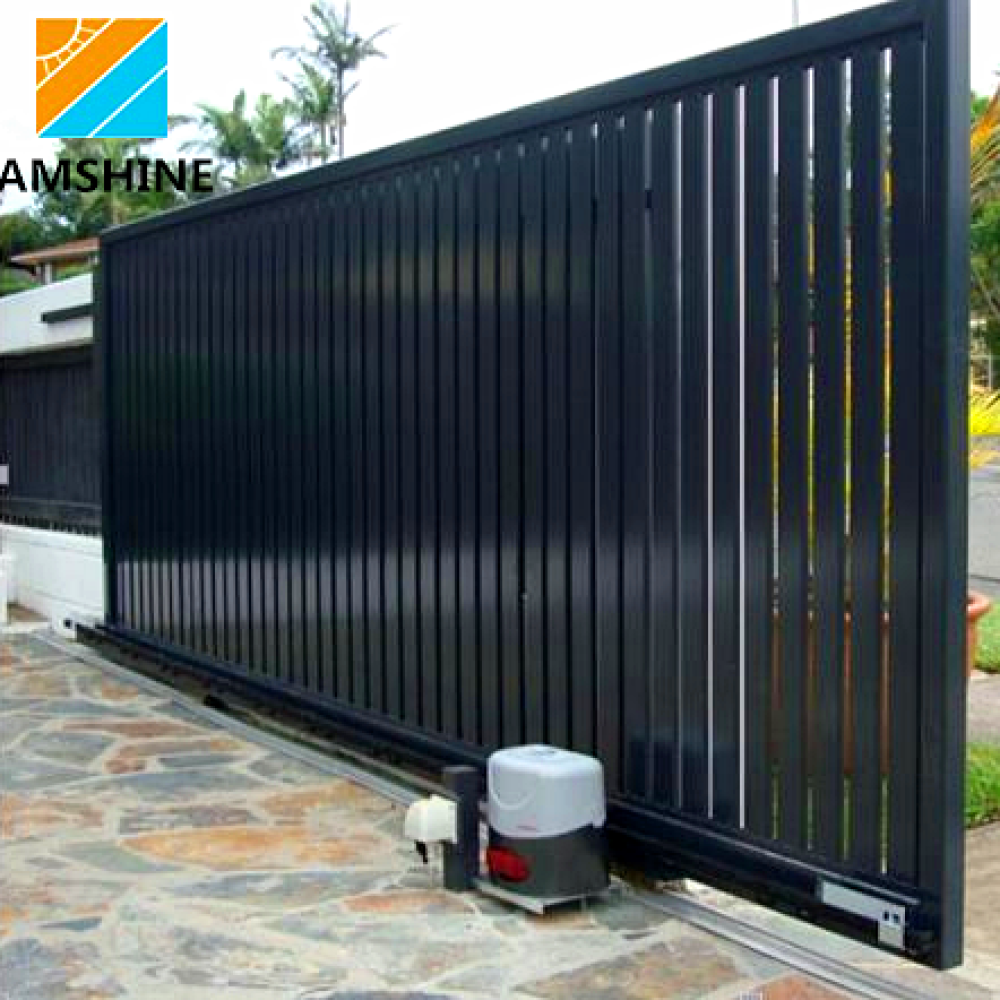
Main Gate, Window, and Grill work
-
Main Gate:
- Fabrication: Main gates are typically fabricated from metal (such as iron, steel, or aluminum) or wood. The fabrication process involves cutting, shaping, welding, or joining the materials together to create the desired design.
- Design: The design of the main gate can vary widely depending on factors like architectural style, security needs, and aesthetic preferences. It may include intricate patterns, decorative elements, or functional features like locks and handles.
- Installation: Once fabricated, the main gate needs to be installed securely. This involves fixing it to the supporting structure (such as columns or walls) using appropriate hardware and techniques to ensure stability and functionality.
- Finishing: After installation, the main gate may require finishing touches like painting, powder coating, or applying protective coatings to enhance durability and appearance.
-
Window:
- Frame Construction: Windows can have frames made of various materials, including wood, metal (aluminum or steel), vinyl, or fiberglass. The frame provides structural support and houses the glass pane.
- Glass Installation: The glass pane is installed within the frame, typically using sealants or glazing compounds to secure it in place and prevent air or water leakage.
- Hardware Installation: Windows often includes hardware such as hinges, locks, handles, and weather-stripping for functionality and security. These components need to be installed properly to ensure smooth operation and proper sealing.
- Weatherproofing: Proper weatherproofing is essential to prevent drafts, water leaks, and energy loss. This may involve installing insulation strips, caulking gaps, or adding additional weatherstripping around the frame.
-
Grill:
- Fabrication: Grills are usually made of metal bars (such as iron or steel) arranged in a grid pattern. The fabrication process involves cutting, bending, welding, or forging the bars to create the desired design and dimensions.
- Installation: Grills can be installed on windows, doors, balconies, or as standalone barriers for security or decorative purposes. Installation involves attaching the grill securely to the surrounding structure using bolts, screws, or welding.
- Finishing: After installation, the grill may be painted, powder coated, or treated with rust-resistant coatings to enhance its appearance and durability. This step is crucial for protecting the grill from corrosion and maintaining its aesthetic appeal over time.
Each of these elements plays a crucial role in the overall functionality, security, and aesthetic appeal of a building or structure. The specific work descriptions may vary depending on the design requirements, materials used, and installation techniques employed.

Shaping Metal, Shaping the Future
Quick Links
Contact Information
-
Makvana Engineering,
NEAR BHARAT GAS OFFICE,
KODINAR-VERAVAL HIGHWAY,
KODINAR.-362720