General machining and lathe work
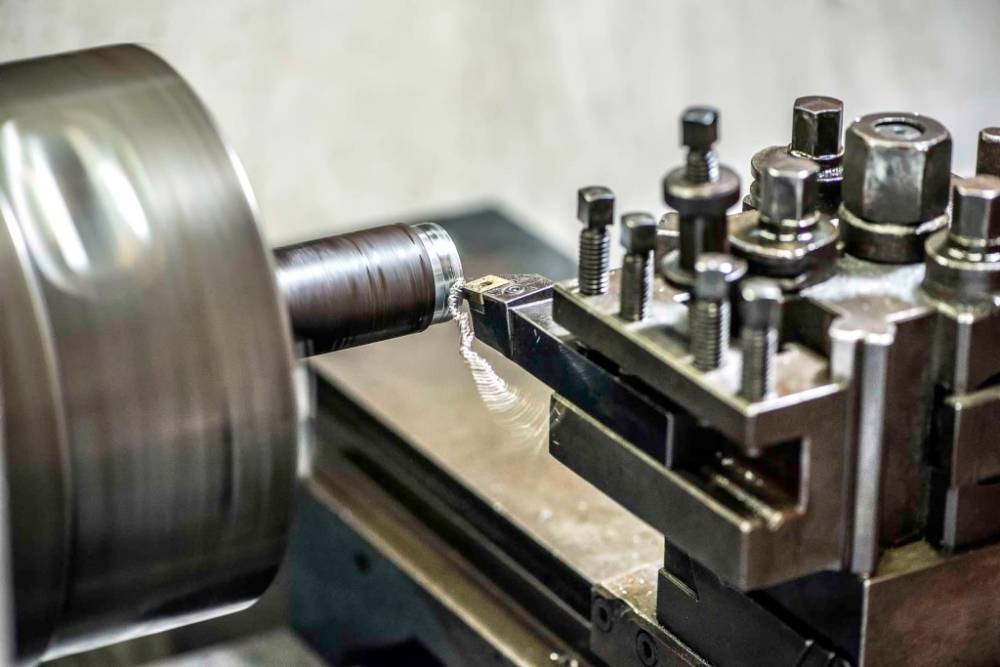
General machining and lathe work
General machining and lathe work encompass a wide range of processes involved in shaping raw materials into finished parts or components using machine tools, particularly lathes. Here's a description of the typical steps involved in these processes:
-
Material Selection:
- Choose the appropriate material based on the requirements of the final part, considering factors such as strength, durability, and machinability. Common materials include metals (e.g., steel, aluminum, brass), plastics, and composites.
-
Blueprint Interpretation:
- Interpret engineering drawings, blueprints, or CAD/CAM models to understand the specifications and dimensions of the part to be machined.
-
Setup:
- Prepare the lathe machine and workpiece for machining. This involves installing the cutting tools, adjusting the tool positions, securing the workpiece in the chuck or collet, and setting up the required machining parameters such as spindle speed, feed rate, and depth of cut.
-
Turning Operations:
- Perform turning operations on the lathe to remove material from the workpiece and create the desired shape. This may involve:
- Facing: Cutting a flat surface perpendicular to the axis of rotation.
- Turning: Removing material to achieve the desired diameter and surface finish.
- Taper turning: Cutting a tapered surface along the length of the workpiece.
- Grooving: Cutting narrow channels or grooves along the surface.
- Threading: Cutting external or internal threads on cylindrical surfaces.
- Perform turning operations on the lathe to remove material from the workpiece and create the desired shape. This may involve:
-
Drilling and Boring:
- Use the lathe's capabilities or additional drilling attachments to drill holes or bore internal cavities in the workpiece to specified dimensions and depths.
-
Milling Operations (if applicable):
- Some lathes are equipped with milling capabilities, allowing for additional machining operations such as milling flat surfaces, slots, or pockets on the workpiece.
-
Measuring and Inspection:
- Use precision measuring tools such as micrometers, calipers, and depth gauges to verify the dimensional accuracy and quality of the machined features. Inspect the workpiece for surface finish, concentricity, and tolerances.
-
Deburring and Finishing:
- Remove any burrs, sharp edges, or excess material from the machined surfaces using deburring tools or abrasive techniques. Apply surface finishes or coatings as required to enhance the appearance and performance of the part.
-
Quality Control:
- Implement quality control measures throughout the machining process to ensure that the finished parts meet the required specifications, tolerances, and quality standards.
-
Documentation and Reporting:
- Maintain detailed records of machining operations, including setup parameters, tooling used, inspection results, and any deviations from the planned process. Generate reports and documentation for traceability and quality assurance purposes.
By following these steps and employing skilled machinists and operators, manufacturers can produce high-quality precision parts and components using lathe and general machining techniques.

Shaping Metal, Shaping the Future
Quick Links
Contact Information
-
Makvana Engineering,
NEAR BHARAT GAS OFFICE,
KODINAR-VERAVAL HIGHWAY,
KODINAR.-362720