Fabrication of plates, tanks, and hoppers
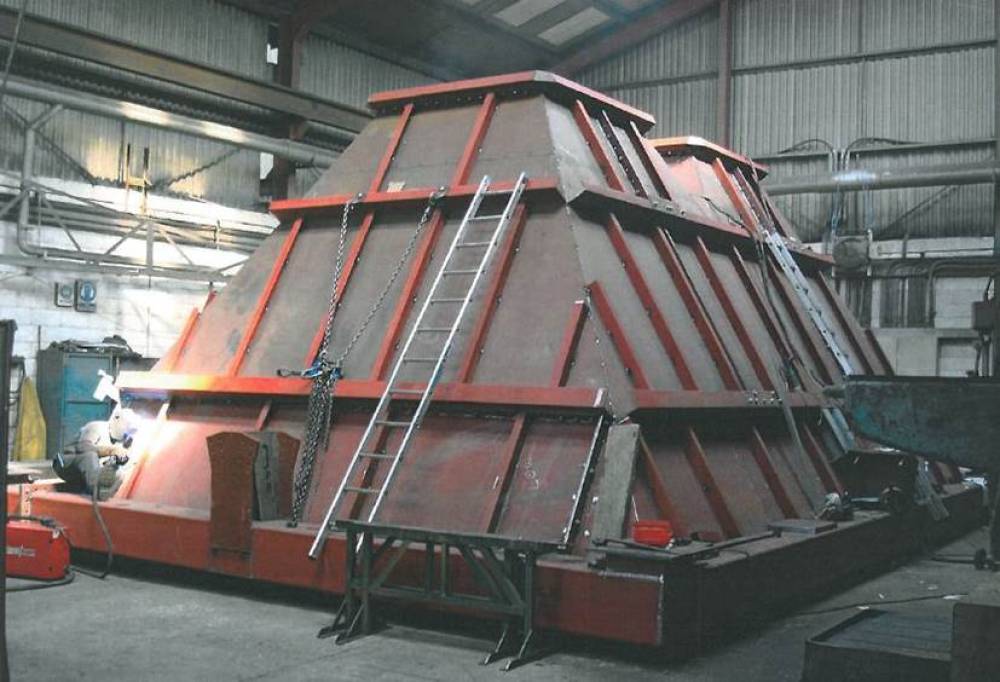
Fabrication of plates, tanks, and hoppers
Fabrication of plates, tanks, and hoppers involves a series of processes to transform raw materials into finished structures capable of holding or containing various substances. Here's a description of the typical steps involved in this type of fabrication work:
-
Material Selection and Preparation:
- Select the appropriate material based on the intended use, environmental conditions, and regulatory requirements. Common materials include carbon steel, stainless steel, aluminum, and specialized alloys.
- Prepare the selected material by cutting it into the required sizes and shapes using cutting tools such as shears, saws, or plasma/laser cutting machines.
-
Plate Fabrication:
- Join the prepared plates together using welding techniques such as arc welding (e.g., shielded metal arc welding, gas metal arc welding) or gas tungsten arc welding. The specific welding method depends on factors such as material type, thickness, and joint design.
- Ensure proper fit-up and alignment of the plates to achieve tight seams and minimize distortion during welding.
- Employ welding procedures and qualified welders in accordance with applicable codes and standards (e.g., ASME, AWS) to ensure weld quality and structural integrity.
-
Tank Fabrication:
- Assemble the fabricated plates into the desired tank shape, such as cylindrical, rectangular, or custom configurations.
- Install reinforcements, stiffeners, or structural members as needed to enhance the tank's strength and stability.
- Weld the seams between the plates to create leak-tight joints, paying attention to factors such as corrosion resistance, stress concentrations, and dimensional accuracy.
- Perform non-destructive testing (NDT) methods such as ultrasonic testing or radiographic testing to inspect welds and verify the integrity of the tank structure.
-
Hopper Fabrication:
- Construct the hopper body using fabricated plates, welded together to form a conical or pyramidal shape.
- Install support legs or brackets to elevate the hopper above the ground or provide clearance for material discharge.
- Incorporate features such as flanges, nozzles, access doors, or sight glasses as required for material handling, inspection, and maintenance.
- Apply surface treatments or coatings to the hopper interior to protect against corrosion, abrasion, or contamination from stored materials.
-
Fit-Out and Accessories:
- Install fittings, valves, sensors, gauges, and other accessories as needed to facilitate material handling, level monitoring, pressure control, and safety precautions.
- Ensure proper alignment, sealing, and integration of these components with the fabricated structures to maintain functionality and performance.
-
Surface Preparation and Finishing:
- Clean and prepare the fabricated surfaces by removing rust, scale, and contaminants using methods such as abrasive blasting, chemical cleaning, or mechanical surface grinding.
- Apply protective coatings, paints, or linings to the exterior and interior surfaces of the fabricated structures to enhance corrosion resistance, weather resistance, and aesthetic appearance.
-
Quality Control and Testing:
- Conduct quality control inspections throughout the fabrication process to verify compliance with design specifications, tolerances, and applicable standards.
- Perform hydrostatic testing or pneumatic testing to assess the structural integrity and leak-tightness of the completed tanks and hoppers under operating conditions.
- Document test results, welding procedures, material certifications, and inspection records for traceability and quality assurance purposes.
-
Transport and Installation:
- Transport the fabricated structures to the installation site using appropriate handling and lifting equipment, ensuring safe and secure transportation.
- Install the tanks and hoppers in their designated locations, anchoring them securely to the foundation or support structure to withstand operational loads and environmental forces.
-
Commissioning and Operational Testing:
- Conduct commissioning procedures to verify the functionality and performance of the installed tanks and hoppers in accordance with project requirements.
- Test operational features such as filling, draining, mixing, and material discharge to ensure proper functionality and compliance with user specifications.
-
Training and Handover:
- Provide training to operators and maintenance personnel on the proper operation, maintenance, and safety procedures for the installed tanks and hoppers.
- Complete the handover process by delivering as-built drawings, equipment manuals, warranties, and documentation to the client or end user.
By following these steps and employing skilled fabricators, welders, and quality control personnel, manufacturers and contractors can produce high-quality plates, tanks, and hoppers that meet the requirements of various industrial, commercial, and environmental applications.
Shaping Metal, Shaping the Future
Quick Links
Contact Information
-
Makvana Engineering,
NEAR BHARAT GAS OFFICE,
KODINAR-VERAVAL HIGHWAY,
KODINAR.-362720